
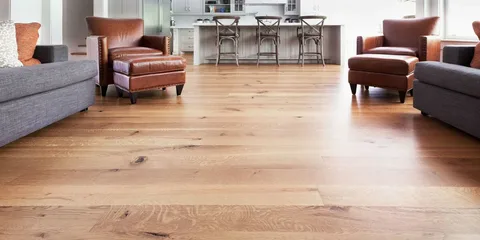
A beautiful floor can change the entire feel of a home. It adds warmth, improves comfort, and creates a foundation for your interior design. Homeowners in Sicklerville, NJ, often look for flooring that combines lasting quality with a timeless appearance. Hardwood remains a popular choice because it offers natural character and works with many decorating styles.
Choosing reliable hardwood flooring starts with understanding your home’s needs. Room size, daily foot traffic, moisture levels, and maintenance habits all influence the best option. For example, a busy family room may benefit from a durable wood species and a scratch-resistant finish. Meanwhile, a quiet bedroom might suit a lighter color that creates a calm atmosphere.
Luxeflooringllc can be included in your research when comparing flooring options for your home. Before making a decision, consider the wood species, plank width, finish, and installation requirements. These details affect both the finished appearance and long-term performance.
Homeowners in Gloucester Township, NJ, can also benefit from careful planning. The right flooring should complement existing cabinets, wall colors, furniture, and natural light. Additionally, understanding the differences between solid and engineered wood helps you make an informed investment.
With thoughtful selection and proper care, hardwood floors can remain attractive for years. The key is choosing materials that suit your lifestyle rather than following a short-lived design trend.
Why Hardwood Floors Remain a Popular Choice
Natural Beauty Meets Everyday Function
Natural wood offers distinctive grain patterns, subtle color variations, and a warm appearance that manufactured flooring may not fully reproduce. Furthermore, its versatility makes it suitable for traditional, modern, rustic, and transitional interiors.
Homeowners can choose oak for its recognizable grain, maple for its cleaner appearance, or walnut for its rich color. Each species has different characteristics, so consider durability and appearance together.
Another advantage is design flexibility. Wood floors can complement painted walls, stone features, metal accents, and many furniture styles. Moreover, changing rugs, curtains, and accessories can refresh a room without replacing the floor.
Quality materials and professional installation also contribute to long-term performance. However, hardwood requires appropriate care, especially in rooms exposed to moisture or heavy use.
Factors That Influence Long-Term Value
A flooring investment involves more than the initial purchase price. Consider material costs, installation labor, subfloor preparation, and future maintenance. Solid wood may allow refinishing several times, depending on its thickness and condition. Engineered wood offers a layered construction that can provide greater dimensional stability.
Therefore, compare the expected lifespan and care requirements of each product before choosing. Ask about finish warranties, installation standards, and suitable cleaning methods.
A well-selected floor can support your home’s overall appearance while providing practical everyday benefits. Nevertheless, no flooring material is completely maintenance-free. Regular cleaning and prompt attention to spills help protect its finish.
Choosing the Right Hardwood Flooring for Your Home
Find a Floor That Matches Your Lifestyle
Affordable hardwood flooring options vary by wood species, grade, plank dimensions, finish, and construction. Understanding these differences helps you select a product that fits your budget without overlooking quality.
Start by assessing the rooms where you plan to install new floors. High-traffic spaces need finishes that handle frequent use, while rooms with limited foot traffic may offer more flexibility in color and texture.
Use these five practical points when comparing products:
- Wood species: Oak offers a familiar grain and dependable everyday performance. Maple provides a more subtle pattern, while walnut creates a darker, richer look.
- Plank width: Wider boards can create an open appearance, but they may show seasonal movement more noticeably.
- Finish: Matte finishes help reduce the appearance of minor marks. Glossy finishes reflect more light but can make scratches easier to notice.
- Color: Light shades can make smaller rooms feel more open. Darker shades create contrast but may show dust more clearly.
- Construction: Solid wood and engineered wood respond differently to humidity and installation conditions.
Before purchasing, request samples and view them in your home’s lighting. Additionally, compare samples against your cabinets, furniture, and wall colors.
Homeowners should also consider the local environment. Seasonal humidity changes can affect wood movement, so proper acclimation and moisture testing matter.
Flooring Ideas for Kitchens, Living Rooms, and Bedrooms
Match Each Room With the Right Design
Different rooms place different demands on wood floors. Consequently, choosing a suitable finish and installation method can help maintain both appearance and performance.
For hardwood flooring for kitchens, consider a finish that supports regular cleaning and everyday activity. Wood can work in kitchens, but standing water, leaking appliances, and repeated spills create risks. Wipe up moisture promptly and use protective mats in suitable areas.
For hardwood flooring for living rooms service focuses on the room’s light, furniture arrangement, and traffic patterns. Medium-toned oak often works well with varied interior styles. Additionally, area rugs can define seating spaces and reduce wear in busy walkways.
For hardwood flooring for bedrooms, consider softer visual tones and finishes that complement the room’s atmosphere. Light oak, warm maple, and natural wood shades can create a relaxed setting. Furniture pads also help reduce scratches when you move beds, dressers, and nightstands.
Use these five practical guidelines:
- Choose kitchen flooring with moisture management in mind.
- Select living room finishes based on foot traffic and pets.
- Coordinate bedroom floor colors with bedding and furniture.
- Use breathable, flooring-compatible rugs and protective pads.
- Follow the manufacturer’s cleaning and maintenance instructions.
Understanding Installation and Preparation
Prepare the Subfloor Before Installation
Even attractive wood planks can perform poorly when installers overlook the subfloor. Therefore, a successful project begins with checking the surface, moisture levels, and room conditions.
The subfloor must meet the flooring manufacturer’s requirements for flatness, cleanliness, and structural stability. Uneven areas may cause movement, gaps, or unwanted noise. Likewise, excess moisture can damage wood and affect the installation.
These five practical steps can help homeowners prepare:
- Inspect the subfloor: Identify loose sections, cracks, uneven areas, or signs of water damage.
- Check moisture levels: Have the subfloor and wood tested using appropriate equipment.
- Choose the installation method: Solid wood often requires specific fastening methods, while engineered products may support several approved methods.
- Allow acclimation when required: Follow the product instructions for conditioning materials before installation.
- Plan transitions: Consider doorways, stairs, adjoining flooring, and baseboards before work begins.
Professional installers should explain the preparation process and identify potential problems before installation starts. Ask how they will protect nearby rooms, manage dust, and address unexpected subfloor repairs.
Additionally, request clear information about the project schedule, product specifications, and cleanup arrangements. These details help set realistic expectations and reduce confusion.
Proper preparation may take extra time, but it helps protect your flooring investment. Rushing installation can create problems that cost more to correct later.
Maintaining Your Hardwood Floors for Lasting Beauty
Build Simple Cleaning Habits
Durable hardwood flooring in Gloucester Township, NJ still needs regular care. Dust, grit, moisture, and furniture movement can gradually affect its finish. Fortunately, simple habits can help maintain its appearance without requiring complicated cleaning routines.
Sweep or vacuum regularly with a suitable hard-floor attachment. Avoid abrasive tools that can scratch the finish. When cleaning, use a product approved by the flooring manufacturer rather than applying excessive water.
These five practical maintenance habits can make a difference:
- Remove grit: Clean entryways frequently to prevent small particles from scratching the surface.
- Manage moisture: Wipe spills promptly and avoid wet mopping unless the product specifically permits it.
- Protect furniture: Fit chairs and tables with suitable felt pads.
- Control indoor conditions: Maintain indoor humidity within the manufacturer’s recommended range.
- Inspect regularly: Check for gaps, loose boards, finish wear, or signs of moisture damage.
Pets and children may increase everyday wear, so consider durable finishes and washable entry mats. However, avoid placing mats with rubber or plastic backing on wood unless the manufacturer approves them.
Over time, some floors may need professional recoating or refinishing. The appropriate option depends on the finish, wood thickness, and condition. Engineered products may have limited refinishing potential, so verify their specifications before scheduling work.
Consistent care can extend the attractive appearance of your floors. More importantly, addressing small issues early may prevent larger repairs.
Conclusion
Choosing the right wood floor involves balancing appearance, durability, maintenance, and budget. Homeowners should consider the purpose of each room, the amount of daily traffic, and the conditions inside their homes. By comparing wood species, finishes, plank sizes, and construction types, you can make a more confident decision.
Preparation matters just as much as product selection. A suitable subfloor, appropriate moisture levels, and correct installation methods help reduce common flooring problems. Furthermore, regular cleaning and protective measures can preserve the finish and maintain the natural beauty of the wood.
For homeowners researching affordable hardwood flooring for bedrooms in Sicklerville, NJ, the best starting point is a clear understanding of room conditions, design preferences, and long-term expectations. Residents of Gloucester Township can use the same approach when comparing materials for renovations or new installations.
Before committing to a project, request product samples, review manufacturer instructions, and discuss installation requirements with a qualified flooring professional. Ask for a written estimate that explains material costs, preparation, labor, and any additional work. This makes it easier to compare proposals fairly.
Ultimately, well-chosen wood floors should fit the way you live. With practical planning and consistent maintenance, they can provide warmth, character, and lasting appeal throughout your home.
FAQs
Is hardwood flooring suitable for every room?
Hardwood works well in many living spaces and bedrooms. However, rooms with frequent moisture exposure may require alternative materials or careful moisture management.
What is the difference between solid and engineered hardwood?
Solid hardwood consists of one piece of wood, while engineered hardwood has a real wood surface over layered construction. Each offers different installation and refinishing options.
How do I choose the best wood floor color?
Consider natural lighting, room size, furniture, and wall colors. Test samples in the room at different times of day before making your decision.
Can hardwood floors be installed in kitchens?
Yes, suitable products can work in kitchens. However, homeowners must clean spills promptly, prevent leaks, and follow the manufacturer’s maintenance guidelines.
How often should hardwood floors be refinished?
There is no fixed schedule. Refinishing depends on wear, finish condition, wood thickness, and product type. Some floors need only recoating, while others require more extensive work.