
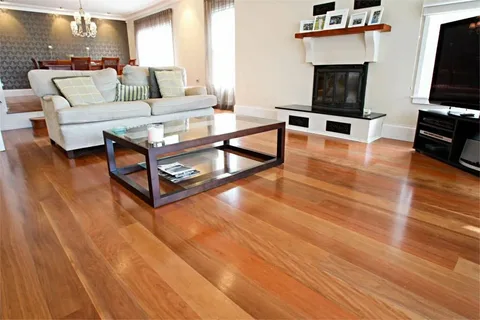
Explore solid hardwood flooring choices, wood species, finishes, installation factors, care needs, and design considerations for Gloucester Township, NJ homes.
A wood floor can shape the character of an entire room. Solid hardwood flooring suits homeowners who want natural material, lasting appeal, and the option to refresh the surface over time. In Gloucester Township, NJ, the flooring decision also depends on room use, subfloor condition, moisture, lighting, and the home’s overall design.
In Luxe flooring llc homeowners comparing refinishing hardwood floors should first consider the condition of the existing boards. Wear, board thickness, previous refinishing, and deeper damage all affect whether refinishing, repair, or replacement makes more sense.
Why Solid Hardwood Flooring Still Works in Modern Homes
Solid hardwood flooring in Gloucester Township, NJ consists of natural wood boards milled from a single piece of timber. Its thickness can support future refinishing when the floor has enough usable material.
Oak, maple, walnut, and other species offer different grain patterns and colors. Stains and finishes can shift the look from traditional to contemporary.
Performance depends on more than species. Consider:
- Board thickness and width
- Finish type
- Installation method
- Subfloor condition
- Room traffic
- Indoor moisture levels
A busy hallway and a quiet bedroom place different demands on flooring.
Choosing Wood Species and Finish
Oak works with many stains and design styles. Maple offers a cleaner, more uniform appearance, while walnut creates deeper tones and stronger visual contrast.
Finish selection matters too. Matte and satin finishes provide a softer look and can make small marks less noticeable than highly reflective finishes.
Think about traffic, natural light, pets, furniture, and upkeep before choosing. View samples under the home’s lighting because a small sample can look different across a room.
Installation Starts With the Subfloor
Even quality hardwood can develop problems when the surface beneath it has unresolved issues. The subfloor should provide a stable base before installation.
Moisture deserves close attention because wood responds to changes in its environment. Excess moisture or major humidity swings can contribute to gaps, cupping, or other movement.
The plan should account for door clearances, room transitions, and differences in floor height. Resolving these details early reduces installation problems.
Modern Hardwood Flooring Offers Design Flexibility
Modern hardwood flooring comes in many board widths, stains, textures, and finishes. Wider boards can create a cleaner visual effect, while narrower boards may suit traditional interiors.
Homeowners can choose between a consistent appearance and natural variations such as knots and grain changes.
Flooring should relate to cabinets, walls, trim, furniture, and natural light.
Solid Hardwood vs. Engineered Hardwood
Both options provide a genuine wood surface, but their construction differs.
| Feature | Solid Hardwood | Engineered Hardwood |
| Construction | Wood throughout | Wood veneer over layered core |
| Refinishing | Often supports refinishing | Depends on wear-layer thickness |
| Moisture Response | More sensitive | Generally more stable |
| Installation | Depends on product and subfloor | More installation flexibility |
| Long-Term Care | Can support repeated renewal | Depends on construction |
Room conditions, installation location, and long-term plans should guide the decision.
Restoring Existing Wood Floors
Solid Hardwood Flooring Can Be Refinished
Replacement is not always necessary when existing hardwood remains structurally sound. Refinishing hardwood floors in Sicklerville NJ, can address worn finishes, scratches, dull areas, and changes in color.
The floor’s construction and previous refinishing history matter. Deep damage, thin boards, or extensive deterioration may change the recommendation.
An evaluation may point toward:
- Routine maintenance
- Minor board repairs
- Screening and recoating
- Full refinishing
- Selective board replacement
- New flooring
This helps homeowners avoid replacing a floor that still has useful life or refinishing one that needs more extensive work.
Flooring Choices Should Reflect Daily Use
Entry areas encounter dirt and moisture, while kitchens and family rooms often receive heavier traffic.
Regular removal of grit matters because sand and debris can scratch the finish. Spills also deserve prompt attention.
Use suitable pads under furniture legs and avoid dragging heavy pieces across the floor.
Common Mistakes With Hardwood Flooring
Choosing a stain without considering lighting can produce an unexpected result. Wood colors can change under daylight and different bulbs.
Ignoring humidity creates another problem. Wood naturally expands and contracts, and large environmental changes can increase movement.
Some homeowners choose a finish based only on appearance, even though reflective finishes may show marks more clearly.
Another mistake involves assuming that every older hardwood floor requires replacement. An evaluation may show that repairs or refinishing can restore the existing material.
Best Practices for Long-Term Performance
Vacuum or clean the floor with tools and products recommended for hardwood. Wipe spills promptly and follow the flooring manufacturer’s care instructions.
Use entry mats and protect furniture contact points. Keep indoor humidity reasonably stable to limit excessive movement.
Watch for new gaps, raised edges, unusual movement, or finish deterioration. These signs can help homeowners address problems earlier.
Conclusion
Modern hardwood flooring offers a durable natural surface that can adapt to changing interior styles and, in many cases, receive refinishing over its service life. Wood species, finish, subfloor condition, moisture control, and everyday care all influence performance.
For homeowners considering hardwood flooring in Gloucester Township, NJ, thoughtful planning can match the material to the home’s conditions and daily use. Luxe Flooring LLC works with these practical flooring considerations. Whether the project involves installation or refinishing, understanding the wood and surrounding environment leads to better decisions.
FAQ
How long can solid hardwood flooring last?
With proper installation and care, solid hardwood can last for decades. Its service life depends on board thickness, traffic, moisture conditions, maintenance, and installation quality.
Can solid hardwood flooring be refinished?
Yes. Many solid hardwood floors can undergo refinishing. Remaining board thickness, previous refinishing, and damage depth determine whether the process remains suitable.
Is solid hardwood suitable for every room?
No. Areas with significant moisture exposure require careful evaluation because wood responds to environmental moisture.
Which hardwood species work well in busy areas?
Oak and maple are common choices because they offer durability and distinct appearances. Finish and maintenance also affect how well the floor handles daily wear.
What is the best way to maintain hardwood flooring?
Remove grit regularly, clean spills promptly, protect furniture contact points, and follow the flooring manufacturer’s cleaning recommendations. Stable indoor humidity also helps limit movement.