
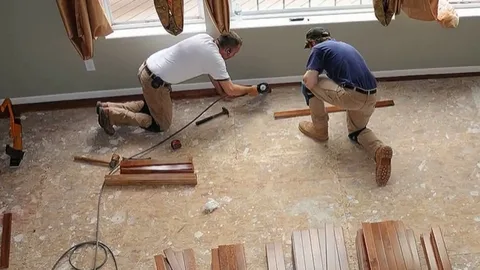
Hardwood flooring can completely change how a room feels, but the finished appearance depends on much more than choosing an attractive wood color. Reliable Hardwood Flooring Installation requires careful measurements, proper subfloor preparation, suitable materials, accurate plank placement, and clean transitions between rooms. When these details are handled correctly, hardwood can provide a warm, natural surface that works with both traditional and modern interiors.
Homeowners in Sicklerville often consider hardwood when replacing worn carpet, updating an older property, or creating a more consistent floor throughout connected rooms. Before installation begins, it helps to understand the condition of the existing floor, the amount of daily traffic, and how the new hardwood will connect with kitchens, hallways, stairs, and nearby flooring materials.
Luxe Flooring LLC provides hardwood, laminate, and vinyl flooring installation for homeowners and businesses in South Jersey. The company’s hardwood service includes material selection, surface preparation, plank installation, and finishing details.
A successful hardwood project starts below the visible surface. Good preparation gives the new flooring a stable foundation and helps the finished layout look consistent from one side of the room to the other.
Start With the Condition of the Subfloor
The subfloor is one of the most important parts of any hardwood project, even though homeowners will never see it after installation. Uneven areas, loose sections, debris, moisture, or damaged material can affect how the finished boards sit and perform. Installing expensive hardwood over an unsuitable surface can leave the floor feeling uneven or create avoidable problems later.
Fix Surface Problems Before Installing Planks
Professional subfloor preparation begins with checking whether the existing surface is clean, stable, reasonably flat, and suitable for the selected hardwood system. Minor high or low spots may require correction, while damaged areas may need more direct repair before installation moves forward.
Homeowners replacing another type of flooring should also expect the previous material to reveal conditions that were not visible beforehand. Removing carpet, laminate, or old flooring can expose loose sections, stains, damaged underlayment, or uneven transitions between rooms.
Taking time to correct these issues early usually makes the rest of the installation more predictable. It also gives installers a better surface for maintaining straight plank lines and consistent connections throughout the room.
Choose Hardwood That Fits the Room
Hardwood is available in different species, widths, tones, textures, and finishes. The right choice should support the overall design of the home while also making sense for the way the room is used. A flooring decision based only on a small sample can feel very different once the same material covers several hundred square feet.
Look at Color, Grain, and Plank Size
Professional Hardwood Flooring Installation should begin with a clear understanding of the homeowner’s visual goals. Wider boards can create a more open appearance, while narrower planks may suit traditional interiors. Natural grain variation can also make the completed floor more interesting, but homeowners should understand that real wood will not have perfectly identical boards.
Solid hardwood flooring and other hardwood options can also respond differently to installation conditions, so material selection should consider the room and flooring system rather than appearance alone.
Luxe Flooring LLC offers hardwood in different styles, colors, and finishes, allowing homeowners to compare options against cabinets, trim, wall colors, and existing furniture. Looking at larger samples in the actual room can make final color decisions easier than relying only on showroom lighting.
Plan the Plank Layout Before Installation
Plank direction influences how the finished floor looks across an entire room. Long, continuous lines can make a space feel more open, while poor planning can leave awkward narrow pieces along walls or create transitions that look accidental.
The layout becomes even more important when hardwood continues through several connected rooms.
Keep the Floor Visually Consistent
Installers should review room dimensions before the first boards are permanently placed. Doorways, hallways, cabinets, stairs, fireplaces, and walls that are not perfectly square can all affect how the layout develops.
Professional hardwood floor installation in Sewell, NJ should also consider how one room connects with the next. Maintaining a consistent direction across open areas can create a more unified appearance, while certain floor plans may require carefully planned transitions.
A proper hardwood plank layout also helps avoid very small cuts near visible walls and doorways. These details may seem minor during installation, but they become much easier to notice once furniture is moved back into the room.
Planning first allows installers to make adjustments before large areas of flooring are already in place.
Give the Wood Time to Adjust
Wood is a natural material, so indoor temperature and humidity can influence its dimensions. That makes material handling before installation an important part of the overall process. The exact requirements depend on the flooring product, manufacturer instructions, and conditions inside the property.
Follow the Requirements for the Flooring
Professional Hardwood Flooring Installation should follow the manufacturer’s recommendations for storage and preparation before boards are installed. Hardwood should not simply be delivered and installed without considering the environment where it will remain.
Installers may need to review indoor conditions and the flooring material before determining when installation can begin. This is commonly connected with hardwood floor acclimation, which allows the product to reach suitable conditions for the property when required by the flooring system.
Homeowners can help by keeping the indoor environment reasonably stable before and during installation. Major changes in heating, cooling, or humidity during the project can create conditions different from normal everyday use.
The goal is not to eliminate all natural movement from wood. Instead, proper preparation helps the flooring begin its service life under suitable indoor conditions.
Make Transitions Look Like Part of the Floor
Many hardwood projects connect with tile, carpet, vinyl, stairs, or existing flooring in nearby rooms. These meeting points deserve careful planning because differences in material thickness can create awkward edges if they are addressed only at the end of the installation.
Clean transitions help separate different flooring materials without making the change look unfinished.
Check Floor Heights Before the Work Begins
Professional floor transition installation should consider the finished height of both surfaces. Installers may use appropriate transition pieces where necessary, but the best solution depends on the adjoining materials and how the rooms connect.
Professional hardwood flooring services in Turnersville, NJ can also involve planning around doorways, hallways, stairs, and other areas where flooring changes. These details matter because they are often located in high-traffic areas that people see every day.
Baseboards and trim should be considered at the same time. New hardwood may change the height relationship between the floor and existing molding, so finishing details should be planned before the final walkthrough.
When transitions, trim, and plank layout are coordinated, the floor feels like a planned part of the home rather than a surface added one room at a time.
Protect Hardwood From Everyday Wear
Hardwood is durable, but normal household activity will gradually affect any finished floor. Dirt, grit, furniture movement, pet activity, moisture, and heavy traffic can leave signs of use over time. Homeowners do not need complicated maintenance routines, but a few consistent habits can help preserve the surface.
Use Simple Care That Protects the Finish
Regular sweeping or vacuuming helps remove grit that can act like an abrasive under shoes. Furniture pads can reduce scratches when chairs and tables move, while entrance mats can capture debris before it reaches the hardwood.
Homeowners should also clean spills promptly and avoid leaving excessive water on wood surfaces. Cleaning products should match the recommendations for the specific finish rather than relying on strong household chemicals that may leave residue or affect the surface.
Trusted Hardwood Flooring Installation creates the foundation for good performance, but long-term results also depend on daily care. Hardwood will naturally develop character as it ages, so the goal is not to prevent every small mark. The goal is to avoid unnecessary damage while allowing the floor to function normally.
Luxe Flooring LLC provides professional installation, but homeowners play an important role after the project by maintaining reasonable indoor conditions and following suitable cleaning practices.
Conclusion
A hardwood floor should look natural and comfortable in the home, but achieving that result requires detailed preparation behind the finished surface. Subfloor condition, material selection, plank direction, indoor conditions, transitions, and installation accuracy all influence how the completed floor looks and performs.
Expert Hardwood Flooring Installation begins by preparing the property rather than immediately laying boards. Correcting uneven areas, reviewing room dimensions, and planning connections with nearby surfaces gives installers a better foundation for clean and consistent work.
Homeowners in Sicklerville, Sewell, and Turnersville should also think about how the flooring will be used after installation. Busy entrances, pets, furniture, sunlight, and everyday cleaning can influence how the surface ages. Choosing hardwood that suits both the design and household routine can make maintenance easier.
Quality installation does not mean the wood will remain completely unchanged forever. Hardwood is a natural material, and gradual changes are part of its character. However, thoughtful preparation and sensible maintenance can help the floor continue looking attractive for years.
Working with Luxe Flooring LLC gives homeowners access to hardwood selection, installation, and finishing support within one flooring project. When the material and installation plan fit the property, hardwood can provide a lasting foundation for the home’s interior.
FAQ’s
What should be checked before hardwood flooring is installed?
Installers should review the subfloor condition, room measurements, moisture conditions, flooring product requirements, transitions, and the planned direction of the boards before installation begins.
Does hardwood flooring need time inside the home before installation?
Some hardwood products require acclimation based on manufacturer instructions and site conditions. The flooring contractor should determine the correct preparation for the selected material.
Can hardwood flooring continue through several rooms?
Yes. Hardwood can create a consistent look through connected spaces, but plank direction, transitions, room dimensions, and adjoining floor heights should be planned carefully.
Why does subfloor preparation matter for hardwood?
A stable and reasonably flat subfloor helps boards sit correctly and supports a smoother finished surface. Existing damage or uneven sections should be addressed before installation.
How should new hardwood floors be maintained?
Remove grit regularly, clean spills promptly, use suitable floor-care products, place pads under furniture, and follow the flooring manufacturer’s recommendations for routine maintenance.