
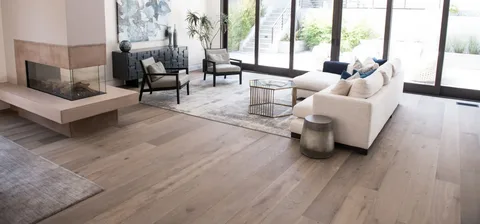
Hardwood floors can change the feel of a room by adding warmth, character, and a timeless appearance. They work well in living rooms, bedrooms, dining areas, and many other spaces. However, choosing the right flooring requires more than picking a wood color. Homeowners should consider room conditions, daily foot traffic, installation methods, and long-term maintenance before making a decision.
For homeowners planning a renovation, reliable hardwood flooring offers a practical way to improve a home’s appearance while creating a durable surface for everyday living. Different wood species, plank widths, finishes, and construction styles provide plenty of options. Therefore, understanding these choices can help you select floors that suit your home and budget.
Local conditions also deserve attention. Homes in Sicklerville, NJ, and Gloucester Township, NJ, experience seasonal changes in temperature and humidity. These changes can affect natural wood, so proper acclimation and moisture control matter during installation. Moreover, the room’s subfloor and existing layout can influence which flooring product works best.
Luxe flooring llc helps homeowners explore flooring choices that match their spaces and preferences. Before starting a project, it helps to understand the differences between wood products, the installation process, and the care each floor requires. With the right information, you can make a confident decision and enjoy attractive floors for years.
Understanding the Benefits of Hardwood Floors
Hardwood flooring remains a popular choice because it combines natural character with practical benefits. Each plank has its own grain pattern, color variations, and texture. As a result, wood floors can complement traditional homes, modern interiors, and many styles in between.
Unlike some temporary flooring trends, natural wood has a lasting appeal. Homeowners can also update its appearance with rugs, furniture, and wall colors without replacing the entire floor. However, wood flooring is not suitable for every room or household situation. Understanding its strengths and limitations helps you plan a successful installation.
Why Wood Flooring Appeals to Homeowners
One advantage is its ability to create a consistent look across connected living spaces. Additionally, many homeowners appreciate that certain solid wood floors can be sanded and refinished when their surface becomes worn. The number of refinishing cycles depends on the wood’s thickness and condition.
Wood floors also make routine cleaning straightforward. Regular sweeping or vacuuming removes grit that might scratch the finish. Meanwhile, promptly cleaning spills helps protect the surface from moisture damage.
Before choosing a product, consider these practical benefits:
- Long-term appeal: Natural grain patterns suit many interior design styles.
- Repair options: Some wood floors allow sanding and refinishing.
- Easy routine care: Dry cleaning methods remove everyday dust and debris.
- Design flexibility: Different stains and plank sizes create distinct appearances.
- Material variety: Several wood species offer different colors and grain patterns.
Nevertheless, wood can scratch, dent, or react to moisture. Therefore, families with pets, children, or heavy foot traffic should consider protective finishes and realistic maintenance needs.
Choosing the Best Hardwood Flooring for Your Home
Selecting the right product starts with understanding how each room functions. A quiet bedroom has different demands from a busy hallway or an open-plan living area. Consequently, homeowners should compare wood construction, moisture conditions, and expected wear before choosing a floor.
Affordable hardwood flooring can mean different things depending on the product, installation requirements, and expected maintenance. The lowest purchase price does not always produce the best long-term value. Instead, compare the complete project cost and select a material that suits your home’s conditions.
Comparing Flooring Types and Wood Species
Expert hardwood flooring services selection begins with identifying the right construction and wood species for the space. Solid wood consists of a single piece of wood, while engineered products combine a real wood surface with layered construction.
Solid wood can offer excellent longevity when installed in suitable conditions. Engineered wood often provides greater dimensional stability during humidity changes, although performance depends on its construction and installation.
Consider these five practical points before making your selection:
- Room location: Check whether the product suits the intended room and moisture conditions.
- Wood species: Compare hardness, grain, color, and natural variation.
- Plank width: Wider planks create a different visual effect and may show seasonal movement more noticeably.
- Finish type: Choose a surface that matches your cleaning routine and wear expectations.
- Total cost: Include materials, subfloor preparation, installation, and future care.
Solid and Engineered Wood: Understanding the Differences
The choice between solid and engineered wood affects installation, maintenance, and how the floor responds to changing indoor conditions. Both options use real wood, but their construction differs. Therefore, the best choice depends on the property’s structure, the installation location, and the manufacturer’s recommendations.
Solid hardwood flooring consists of one piece of wood throughout each plank. Engineered hardwood flooring uses a real wood veneer attached to multiple supporting layers. This layered design can reduce some forms of movement caused by changes in humidity.
Finding the Right Construction for Your Space
Quality solid hardwood flooring may suit above-ground living areas with suitable subfloors and stable indoor conditions. Homeowners can often refinish it several times, depending on plank thickness and wear. However, solid wood generally requires careful moisture management and may not suit every below-grade installation.
Reliable engineered hardwood flooring can be useful in homes where seasonal humidity changes make dimensional stability a priority. Some products support installation methods that solid wood does not, but always follow the product’s instructions.
Keep these five practical considerations in mind:
- Subfloor compatibility: Confirm that the product works with the existing subfloor.
- Moisture levels: Test the subfloor and address moisture problems before installation.
- Installation method: Check whether the manufacturer allows nailing, gluing, or floating.
- Refinishing potential: Review the wear layer or usable wood thickness.
- Room conditions: Follow the product’s guidance for basements, concrete, and other challenging areas.
Neither construction type is automatically better for every home. A careful assessment helps prevent avoidable problems and supports a longer-lasting result.
Selecting Wood Colors, Finishes, and Plank Styles
The visual details of a floor can influence the entire room. Light-colored wood may help a smaller space feel open, while darker shades can create a rich, traditional appearance. Meanwhile, natural finishes highlight the grain and variation that make each plank unique.
Oak hardwood flooring is a common choice because it offers recognizable grain patterns and works with many interior styles. Red oak often has warmer undertones, while white oak typically has a more neutral appearance. However, the final color depends on the stain, finish, lighting, and individual wood boards.
Matching Flooring to Your Interior Design
Stylish oak hardwood flooring can complement modern, rustic, or classic interiors. Before committing to a color, request samples and view them in the actual room. Natural and artificial light can change how the same finish looks throughout the day.
Use these five practical guidelines when comparing styles:
- Match existing features: Consider cabinets, doors, trim, and wall colors.
- Check natural lighting: View samples near windows and in shaded areas.
- Choose plank proportions: Wider boards may suit open spaces, while narrower planks can create a traditional look.
- Compare surface textures: Smooth, brushed, and distressed finishes produce different effects.
- Think about daily wear: Some finishes and colors show dust, scratches, and pet hair more readily than others.
Additionally, avoid choosing a floor based on a small online image alone. Larger samples provide a more realistic view of grain, color variation, and surface texture. A balanced choice should suit both your design preferences and your daily routine.
Preparing for Professional Hardwood Floor Installation
A successful installation starts well before the first plank goes down. The installer needs to assess the subfloor, room measurements, moisture conditions, and transitions to nearby flooring. These steps help identify problems before they affect the finished surface.
Proper preparation also includes allowing the flooring to acclimate when the manufacturer requires it. Wood responds to environmental changes, so installers should follow the product’s temperature, humidity, and moisture guidelines. Skipping these checks can increase the risk of gaps, cupping, or other movement-related issues.
What to Expect Before and During Installation
Professional hardwood flooring in Gloucester Township, NJ installation should begin with a clear assessment and an explanation of the recommended method. Luxe flooring llc can be part of the conversation when homeowners evaluate flooring options and plan their projects.
Keep these five practical steps in mind:
- Inspect the subfloor: Look for uneven areas, loose sections, and moisture concerns.
- Measure carefully: Accurate measurements help estimate material quantities and waste.
- Prepare the room: Remove furniture and arrange access to the work area.
- Confirm transitions: Plan how the new floor will meet stairs, doorways, and adjoining rooms.
- Follow care instructions: Respect the manufacturer’s guidance for installation, cleaning, and furniture placement.
Furthermore, ask about project timing, material availability, and any extra preparation costs. Clear communication helps everyone understand the scope of work. After installation, follow the recommended waiting period before placing heavy furniture or cleaning the new floor.
Conclusion
Hardwood flooring offers a practical way to bring natural warmth and lasting character into a home. However, a successful project depends on choosing suitable materials, preparing the subfloor, and following proper installation and maintenance practices. Taking time to compare options can help homeowners avoid common mistakes and make a decision that suits their space.
For homeowners considering an upgrade, reliable solid hardwood flooring in Sicklerville, NJ, may be worth exploring when the room has suitable moisture conditions and subfloor support. Solid wood offers the possibility of refinishing, while engineered products may provide additional flexibility for certain installations. The right choice depends on the property and the manufacturer’s requirements.
Homeowners in Gloucester Township can also benefit from comparing wood species, surface finishes, plank sizes, and total installation costs before beginning a renovation. Oak remains a popular option because its distinctive grain works with a wide range of interior designs. Nevertheless, other species and finishes may better suit a particular home’s colors and everyday needs.
Before committing, request product samples, discuss preparation requirements, and ask how the flooring should be maintained. Also, review the warranty and confirm which installation methods the manufacturer permits. These simple steps make it easier to compare options fairly.
Ultimately, the best floor is one that fits your home’s style, handles its daily activity, and meets your maintenance expectations. Careful planning helps you enjoy the natural beauty of wood while protecting your investment over time.
FAQs
What is the difference between solid and engineered hardwood flooring?
Solid flooring uses one piece of wood, while engineered flooring has a real wood surface supported by multiple layers. Their installation requirements and moisture tolerance differ.
Is oak hardwood flooring a good choice for living rooms?
Yes. Oak offers distinctive grain patterns and several finish options. Select a suitable finish based on foot traffic, pets, and cleaning needs.
Can hardwood flooring be installed over concrete?
Some engineered products permit installation over properly prepared concrete. Always check the manufacturer’s instructions and address moisture concerns first.
How should homeowners maintain hardwood floors?
Sweep or vacuum regularly, clean spills promptly, use approved cleaning products, and avoid excessive water. Furniture pads can also help reduce scratches.
How long does hardwood floor installation take?
The timeline depends on room size, subfloor preparation, flooring type, and installation method. Ask the installer for a project-specific schedule before work begins.