
Learn how bamboo hardwood flooring in Gloucester Township, NJ compares on durability, moisture resistance, maintenance, installation, style, and daily use.
Flooring affects how a room looks, feels, and handles daily traffic. Luxe Flooring LLC approaches flooring projects by reviewing room use, subfloor condition, moisture exposure, maintenance needs, and the appearance homeowners want to achieve. Homeowners considering bamboo hardwood flooring in Gloucester Township, NJ should look beyond color and finish and understand how the material performs in the specific room where it will be installed.
In Washington Township, NJ, homeowners comparing waterproof hardwood flooring options may also be concerned about spills, seasonal moisture, pets, children, and routine cleaning.
The right flooring choice depends on both the material and the conditions inside the home.
What Bamboo Hardwood Flooring Offers Homeowners
Bamboo hardwood flooring can provide the warm appearance associated with wood-style floors while offering several construction and finish options.
Bamboo is technically a grass, but manufacturers process it into flooring planks that can resemble traditional hardwood.
The way the material is manufactured affects its appearance and performance.
Some products use horizontal or vertical bamboo strips. Strand-woven bamboo uses compressed fibers and often creates a denser flooring product.
Homeowners should compare construction quality instead of assuming every bamboo floor performs the same way.
Bamboo Hardwood Flooring Quality Can Vary
Bamboo hardwood flooring in Gloucester Township, NJ quality depends on manufacturing, density, finish, installation method, and the condition of the subfloor.
Two products that look similar in a showroom may perform differently after several years of household use.
A well-made plank should have consistent construction and a suitable protective finish.
Lower-quality products may show dents, scratches, or surface wear sooner under heavy traffic.
Homeowners should consider where the flooring will go before selecting a product. Bedrooms, living rooms, hallways, and busy family areas place different demands on flooring.
Waterproof Hardwood Flooring in Washington Township, NJ
Homeowners researching waterproof hardwood flooring in Washington Township, NJ should understand the difference between water-resistant and truly waterproof flooring.
Traditional hardwood and bamboo contain natural materials that can react to moisture.
Some engineered or hybrid flooring products use waterproof cores while maintaining a wood-style surface.
That construction can make them better suited to areas where spills are more likely.
However, water resistance does not mean standing water should remain on the floor.
Even when the plank itself handles moisture well, water may reach walls, transitions, trim, or the subfloor.
Cleaning spills promptly remains a good practice.
Moisture Conditions Matter Before Installation
Moisture can affect many types of flooring, particularly products made from natural materials.
Before installation, the subfloor should be evaluated for suitable conditions.
Excess moisture can contribute to movement, gaps, swelling, or other flooring problems.
Indoor humidity also matters.
Natural flooring materials can expand or contract as environmental conditions change.
Acclimation may be necessary depending on the product and installation instructions.
The flooring should have time to adjust to normal indoor conditions before installation when required by the manufacturer.
Ignoring this step can create avoidable problems later.
Modern Hardwood Flooring Should Match the Room
waterproof hardwood flooring in Washington Township, NJ is available in more styles than traditional narrow wood planks.
Homeowners can choose wider planks, lighter tones, matte finishes, textured surfaces, and cleaner grain patterns depending on the look they want.
Room size and natural light can influence the choice.
Wide planks can create a more open visual effect, while darker flooring may produce stronger contrast with light walls and cabinetry.
The flooring should also connect well with nearby rooms.
Transitions between materials can become visually distracting if colors, plank directions, or floor heights are not planned in advance.
A consistent design can make separate areas feel more connected.
Subfloor Preparation Affects the Finished Floor
Even high-quality flooring can perform poorly over an unsuitable subfloor.
The surface should be clean, stable, and reasonably level before installation begins.
Low spots and raised areas can affect how planks connect and how the finished floor feels underfoot.
Loose sections may create movement or noise.
Existing flooring may also need evaluation before a new product goes over it.
The correct preparation depends on whether the subfloor is wood, concrete, or another approved surface.
Skipping preparation can turn a flooring issue into an installation problem that becomes harder to fix later.
Installation Method Can Change the Project
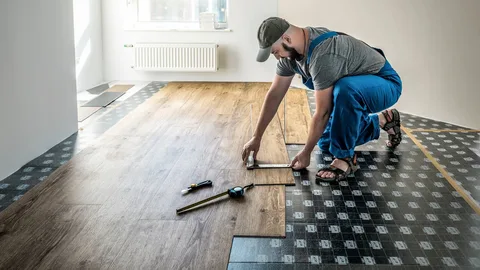
Bamboo and hardwood-style flooring products may use different installation methods.
Some floors are nailed or stapled. Others are glued to the subfloor. Floating systems connect the planks together without attaching every plank directly to the surface below.
The right method depends on the product, subfloor, room, and manufacturer requirements.
The installation method can also affect floor height at doorways and transitions.
These details should be considered before installation rather than after the first rooms are completed.
Careful planning creates cleaner transitions and helps avoid interference with doors, trim, or adjoining flooring.
Daily Wear Should Influence Flooring Selection
A quiet bedroom and a busy hallway do not experience the same level of traffic.
Households with pets, children, frequent guests, or moved furniture should think about surface durability.
Scratches and dents can occur on many flooring materials.
Finish quality and maintenance habits can affect how visible that wear becomes.
Using protective pads beneath furniture and keeping abrasive dirt off the floor can help limit unnecessary damage.
Homeowners should also consider how much visible character they are comfortable with.
Some people prefer floors that develop a natural lived-in appearance, while others want finishes that maintain a more uniform look.
Common Hardwood Flooring Selection Mistakes
One common mistake is choosing flooring based only on a small sample.
A plank can look different when it covers an entire room and reflects natural or artificial light.
Another mistake is ignoring the subfloor until installation day.
Moisture, uneven areas, and damaged sections can affect the project significantly.
Homeowners should also avoid selecting flooring solely by hardness.
A harder material can still show scratches or finish wear.
Maintenance requirements, room conditions, installation quality, and finish durability matter too.
Choosing a product without considering transitions between rooms can also create problems with floor height and appearance.
Practical Steps Before Choosing New Flooring
Start by thinking about how each room is used.
Consider foot traffic, moisture exposure, pets, furniture, cleaning routines, and sunlight.
Review the existing floor and subfloor conditions before selecting the final product.
Take larger flooring samples into the room when possible and view them at different times of day.
It also helps to decide whether matching existing flooring is important.
Finally, compare maintenance expectations. A floor that fits the household’s normal cleaning routine will usually be easier to live with long term.
Best Practices for Maintaining Bamboo Floors
Routine care can help preserve the finish and appearance.
Remove grit and loose dirt regularly because small particles can scratch flooring under foot traffic.
Use cleaning products and methods appropriate for the specific floor finish.
Standing water should not remain on bamboo or other natural-material flooring.
Furniture pads can help protect areas beneath chairs, tables, and heavier pieces.
Entry mats can reduce the amount of dirt carried into the home, but mats should also be suitable for the flooring finish.
Following the manufacturer’s care guidance is important because different products may have different cleaning and maintenance requirements.
Conclusion
Choosing Modern hardwood flooring requires attention to product construction, room use, moisture conditions, subfloor preparation, installation method, finish, and maintenance expectations. Appearance matters, but long-term performance depends on how well the flooring matches the conditions of the home.
For homeowners in Gloucester Township and Washington Township, Luxe Flooring LLC can approach hardwood flooring projects by reviewing both the desired style and practical installation requirements. Careful material selection and proper preparation can help create flooring that looks consistent and performs well through everyday use.
FAQ
Is bamboo flooring considered real hardwood?
Bamboo is a grass rather than a hardwood tree, but manufacturers process it into planks that are commonly used as a hardwood-style flooring option.
Can bamboo flooring handle household moisture?
Bamboo can tolerate normal household conditions when the correct product is installed properly, but excessive water and uncontrolled moisture can still affect natural-material flooring.
What should be checked before installing bamboo flooring?
The subfloor should be checked for stability, levelness, cleanliness, and moisture conditions. Product-specific acclimation and installation requirements should also be followed.
Is strand-woven bamboo different from other bamboo flooring?
Yes. Strand-woven bamboo uses compressed bamboo fibers and typically has a different density and appearance from horizontal or vertical bamboo products.
How can I reduce scratches on bamboo hardwood floors?
Regularly remove dirt, use furniture pads, protect busy entry areas, clean spills promptly, and follow the flooring manufacturer’s recommended maintenance instructions.