
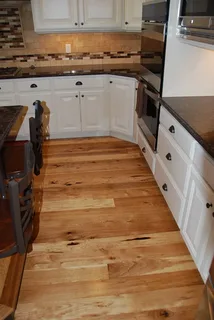
Learn how Hardwood flooring for kitchens can support durable, practical spaces with planning, care, installation, and design tips for Sicklerville, NJ.
Kitchen flooring needs to handle spills, foot traffic, furniture movement, and daily cleaning while still fitting the overall style of the home. Luxe Flooring LLC helps homeowners understand the practical considerations involved in choosing and maintaining hardwood floors. Homeowners searching for Hardwood flooring for kitchens often want to know how wood performs in a busy space, which factors affect durability, and how proper installation and care can protect the finished floor.
Hardwood can add warmth and visual consistency to a kitchen, especially when the flooring connects the kitchen with nearby living areas. However, moisture management, finish selection, installation quality, and routine care all matter.
For homeowners in Sicklerville, NJ and Gloucester Township, NJ, understanding hardwood flooring options, maintenance needs, and common installation mistakes can help create a flooring plan that works with the rest of the home.
Why Hardwood Works in Kitchen Spaces
Kitchens often serve as gathering areas as well as places for cooking. Flooring therefore needs to balance appearance with practical performance.
Hardwood can provide:
- A consistent appearance across connected rooms
- A natural surface with varied grain patterns
- Multiple color and finish options
- A timeless design that works with different interiors
- The ability to complement cabinets and countertops
The right choice depends on the kitchen layout, household activity, moisture exposure, and desired appearance.
Understanding Hardwood Flooring for Kitchens
How Hardwood Flooring for Kitchens Supports Daily Use
Hardwood flooring for kitchens in Sicklerville, NJ requires careful planning because kitchens experience more moisture and activity than many other rooms.
Before installation, homeowners should consider:
- Kitchen traffic levels
- Potential water exposure
- Subfloor condition
- Room dimensions
- Wood species
- Finish requirements
- Existing flooring in nearby rooms
These factors can influence how the finished floor looks and performs.
Choosing the Right Hardwood
Not all hardwood products have the same characteristics. Wood species, construction, thickness, finish, and installation method can affect the final result.
When comparing options, homeowners should consider:
Wood Species
Different species vary in hardness, grain, color, and overall appearance.
Finish
The finish affects the floor’s appearance and helps protect the wood surface from everyday wear.
Board Width
Wider boards can create a different visual effect from traditional narrower planks. The best choice depends on room size and design preferences.
Color
Lighter floors may create a brighter appearance, while darker tones can create a more defined visual contrast with cabinets and walls.
Installation Considerations
Proper installation begins with the condition of the existing floor structure. A subfloor that has movement, moisture concerns, or uneven areas may need attention before hardwood installation begins.
Important preparation steps may include:
- Checking subfloor condition
- Confirming moisture levels
- Allowing materials to adjust to indoor conditions when required
- Planning plank direction
- Measuring the room accurately
- Coordinating transitions with nearby flooring
Good preparation can help reduce movement, gaps, and other flooring problems.
Hardwood Flooring for Living Rooms
Homeowners who continue wood flooring from the kitchen into adjoining areas may also consider Hardwood flooring for living rooms.
Using related flooring throughout connected spaces can create visual continuity. It can also reduce abrupt transitions between rooms.
Living room flooring should account for:
- Furniture placement
- Foot traffic
- Natural light
- Room size
- Existing trim
- Overall interior design
A consistent flooring plan can make connected spaces feel more unified.
Hardwood Flooring for Bedrooms
Hardwood flooring for bedrooms in Gloucester Township, NJ offers another way to create consistency throughout a home. Bedrooms generally experience different conditions from kitchens, but flooring still needs to withstand regular foot traffic and furniture movement.
When planning bedroom flooring, consider:
- Desired warmth and appearance
- Furniture weight
- Room dimensions
- Lighting conditions
- Maintenance preferences
- Compatibility with nearby flooring
Using compatible flooring throughout several rooms can simplify the overall design.
Hardwood Care in Kitchen Areas
Kitchen hardwood flooring requires attention to moisture and spills.
Homeowners should:
- Wipe spills promptly
- Use cleaning products recommended for the floor
- Avoid excessive water during cleaning
- Place suitable mats near high-use areas
- Keep grit and debris from accumulating
- Use protective pads under furniture
Routine care helps reduce unnecessary surface wear.
Common Hardwood Flooring Mistakes
Ignoring Moisture
Water can damage wood flooring when it remains on the surface or reaches vulnerable areas.
Skipping Subfloor Preparation
Installing hardwood over an uneven or problematic subfloor can create movement and other issues.
Using Too Much Water
Wet-mopping can expose wood to more moisture than the flooring system can handle.
Choosing Flooring Only by Appearance
Color and grain matter, but homeowners should also consider traffic, maintenance, and room conditions.
Forgetting Transition Areas
Kitchen flooring often connects with dining rooms, living rooms, or hallways. Poorly planned transitions can affect both appearance and function.
Best Practices for Hardwood Flooring
Homeowners can protect their flooring by following a few practical habits:
- Address spills quickly
- Follow manufacturer care recommendations
- Keep floors free from abrasive debris
- Protect flooring beneath furniture
- Monitor areas near sinks and appliances
- Maintain stable indoor conditions
- Address visible damage before it spreads
Regular care can help maintain the appearance and performance of hardwood over time.
Actionable Tips Before Installing Hardwood
Before starting a flooring project, homeowners should:
- Measure each area carefully.
- Inspect the existing subfloor.
- Check for moisture concerns.
- Consider how the kitchen connects to nearby rooms.
- Select a wood species and finish based on daily use.
- Plan transitions before installation.
- Review cleaning and maintenance requirements.
- Consider long-term household needs.
Good planning can prevent avoidable changes during installation.
Factors That Affect Hardwood Flooring Performance
Several conditions can influence how hardwood performs:
- Moisture exposure
- Installation quality
- Subfloor condition
- Wood species
- Finish type
- Cleaning methods
- Indoor environmental conditions
- Daily foot traffic
Understanding these factors helps homeowners make practical flooring decisions rather than choosing based only on appearance.
Conclusion
Hardwood can provide a warm, consistent look in kitchens when homeowners account for moisture, traffic, installation conditions, and maintenance needs. Hardwood flooring for kitchens requires more than choosing a color or plank style; the surrounding conditions and installation process also affect long-term performance.
For homeowners in Sicklerville, NJ and Gloucester Township, NJ, understanding Hardwood flooring for living rooms and Hardwood flooring for bedrooms can also help create a more consistent flooring plan throughout connected areas. Luxe Flooring LLC helps homeowners approach hardwood flooring projects with practical attention to installation, material selection, maintenance, and everyday use.
FAQ
Is hardwood flooring suitable for kitchens?
Hardwood can work well in kitchens when homeowners manage moisture, clean spills promptly, choose appropriate materials, and follow proper installation and care practices.
What should I consider before installing hardwood in a kitchen?
Consider moisture exposure, subfloor condition, wood species, finish, kitchen traffic, plank design, and how the flooring will connect with nearby rooms.
How should hardwood floors in kitchens be cleaned?
Use cleaning methods recommended for the specific flooring product. Avoid excessive water and address spills quickly.
Can hardwood flooring continue from the kitchen into the living room?
Yes. Using compatible hardwood throughout connected spaces can create a consistent appearance and reduce abrupt flooring transitions.
Does bedroom hardwood need different care from kitchen hardwood?
The care routine may be similar, but kitchen flooring typically faces greater moisture and spill exposure. Both areas benefit from regular cleaning and protection from excessive wear.