
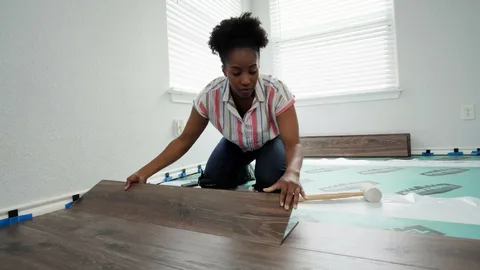
A new floor can change how a room looks, feels, and handles everyday use. Professional Laminate Flooring Installation gives homeowners a practical way to achieve a wood-inspired appearance while choosing from a wide range of colors, plank sizes, textures, and finishes. However, the finished floor depends on more than the product itself. Subfloor condition, room measurements, plank layout, expansion space, transitions, and installation methods all influence long-term performance.
Laminate can work well in bedrooms, living rooms, hallways, offices, and other suitable interior spaces. Before selecting a product, homeowners should consider foot traffic, cleaning habits, moisture exposure, furniture, and how the flooring will connect with adjoining rooms.
Luxe Flooring LLC provides hardwood, laminate, and vinyl flooring solutions for homes and businesses throughout its New Jersey service area.
A thoughtful flooring project begins below the visible surface. Proper preparation and realistic material selection help create a finished floor that feels consistent, fits the room correctly, and remains easier to maintain.
Choose Laminate Flooring for the Way the Room Is Used
Laminate products vary in appearance, construction, wear characteristics, and moisture-related limitations. Therefore, homeowners should avoid choosing flooring based only on a small sample or promotional image.
The right product should match both the room and the household’s everyday routine.
Compare Performance Before Choosing a Style
Professional residential laminate flooring planning should consider:
- Expected foot traffic
- Pets and children
- Furniture movement
- Cleaning habits
- Product-specific moisture limitations
A busy hallway may need different performance characteristics than a lightly used bedroom. Likewise, a household with pets may place greater value on a durable wear surface.
Homeowners should also view several full planks together. Wood-look patterns often include intentional variation, so a single sample may not show how the complete floor will appear.
Finish texture can influence both appearance and maintenance. Meanwhile, plank width and length can affect the visual scale of a smaller or larger room.
The strongest selection balances style with practical use rather than treating every laminate product as interchangeable.
Prepare the Existing Floor Before Installation
A laminate floor needs a clean, stable, and appropriately flat foundation. Installing new planks over loose materials, significant high spots, or damaged sections can affect the finished surface.
Preparation should therefore happen before underlayment or flooring is placed.
Correct Problems Below the Finished Floor
Professional Laminate Flooring Installation should include an evaluation of the existing surface and room conditions.
Important preparation steps may include:
- Removing unsuitable flooring
- Cleaning dust and debris
- Checking floor flatness
- Repairing damaged areas
- Reviewing transitions and door clearances
Proper subfloor preparation is especially important because laminate planks rely on a consistent supporting surface.
For example, significant irregularities can create movement or an uneven feel underfoot. Installers may need to address those conditions before laying the new floor.
Homeowners should also consider finished floor height. Adding underlayment and laminate can change the relationship between the floor, doors, baseboards, and adjoining materials.
Preparation is not the most visible part of the project, but it often determines how smoothly the installation proceeds.
Plan Plank Direction and Layout Before Starting
The direction and starting position of laminate planks affect the appearance of the entire room. Poor planning can leave narrow pieces along prominent walls or awkward transitions at doorways.
For that reason, installers should measure and plan the layout before locking the first rows together.
Create a Balanced Floor Pattern
Professional floating laminate flooring in Sewell, NJ should account for room width, plank dimensions, adjoining spaces, and visible focal points.
Layout planning can include:
- Choosing plank direction
- Calculating first and final row widths
- Staggering end joints appropriately
- Planning around doorways
- Coordinating transitions between rooms
Long plank lines can visually emphasize the length of a room. However, the best direction also depends on connected areas and architectural conditions.
Installers should avoid creating very narrow final rows when measurements allow a more balanced layout.
Luxe Flooring LLC can also coordinate plank placement with trim, doorways, and surrounding flooring so the completed surface feels intentional.
A little extra planning before installation can prevent visually distracting cuts later.
Manage Expansion Space, Underlayment, and Transitions
Laminate flooring systems need room to respond to normal environmental changes. Product requirements differ, so installers should follow the specific manufacturer’s instructions for perimeter gaps and installation conditions.
Underlayment and transitions also need to match the selected flooring system.
Treat Small Installation Details as Important
Reliable Laminate Flooring Installation should account for:
- Required perimeter expansion space
- Approved underlayment
- Doorway transitions
- Floor height changes
- Manufacturer installation requirements
Some laminate products include attached underlayment, while others require a separate layer. Therefore, homeowners should not assume that adding more underlayment automatically improves the floor.
Transitions become especially important where laminate meets tile, carpet, hardwood, or another flooring type. The transition should accommodate height differences while creating a clean connection.
Baseboards or suitable trim can cover perimeter expansion space without preventing normal floor movement.
These details may seem minor during material selection, yet they can strongly influence how polished the finished installation looks and performs.
Protect the Flooring During Everyday Use
Laminate flooring is designed for regular household use, but routine care still affects appearance and longevity. Homeowners should follow the cleaning instructions provided for the specific product they select.
Excess water and unsuitable cleaning methods can create unnecessary problems.
Use Simple Maintenance Habits
Useful care practices include:
- Remove grit and loose debris regularly
- Wipe spills promptly
- Use protective pads under furniture
- Avoid dragging heavy objects
- Follow approved cleaning recommendations
A laminate floor replacement may become necessary when older flooring has widespread wear, water-related damage, broken locking joints, or other conditions that cannot be corrected with isolated repairs.
However, not every scratch or damaged plank requires replacing the entire floor. The appropriate response depends on where the damage is located and whether matching material remains available.
Entry mats can also reduce dirt carried onto the floor. Meanwhile, protective furniture pads help limit concentrated wear.
Good maintenance does not need to be complicated. Consistent habits usually provide more value than aggressive cleaning products or unnecessary treatments.
Coordinate Installation With the Complete Room Update
Flooring installation often happens alongside painting, cabinetry, trim work, or other interior improvements. The order of work can affect both the new floor and surrounding finishes.
Therefore, homeowners should coordinate the flooring schedule before renovation work reaches its final stages.
Avoid Unnecessary Damage to a New Floor
Professional expert Laminate Flooring Installation should consider:
- Completion of major messy construction
- Cabinet and built-in locations
- Door adjustments
- Baseboard installation
- Furniture movement
Professional wood-look laminate flooring in Turnersville, NJ can also be selected to coordinate with cabinetry, wall colors, and nearby flooring without trying to match every surface exactly.
Homeowners should confirm whether fixed cabinets or other permanent features need to be installed before the flooring based on the product and project design.
Heavy construction traffic over newly completed flooring should also be minimized.
Luxe Flooring LLC can help coordinate flooring installation with the condition and layout of the room so transitions, trim, and finished edges receive proper attention.
Thoughtful sequencing protects the new floor while allowing the rest of the room to come together cleanly.
Conclusion
Laminate flooring can provide a practical balance of appearance, durability, and manageable maintenance when the product and installation method fit the room.
Trusted Laminate Flooring Installation begins with more than selecting a color. Homeowners should consider subfloor condition, room dimensions, plank direction, expansion requirements, underlayment, transitions, and everyday use before installation starts.
Proper preparation remains especially important. A stable supporting surface allows the flooring system to perform as intended, while careful layout planning helps avoid narrow cuts and distracting transitions.
Homeowners should also review product-specific moisture and maintenance guidance. Laminate products vary, so recommendations that apply to one floor may not apply to another.
For homes in Sewell and Turnersville, flooring choices should reflect both household routines and the surrounding interior design. Wood-inspired patterns can provide visual warmth, while practical wear surfaces can support active living areas.
Working with Luxe Flooring LLC allows homeowners to coordinate material selection with professional installation. When preparation, layout, transitions, and routine care receive proper attention, laminate flooring can create a finished surface that remains attractive and functional for everyday living.
FAQ’s
What should be checked before laminate flooring is installed?
The existing floor should be evaluated for cleanliness, stability, significant irregularities, moisture concerns, and suitable transitions.
Does laminate flooring require underlayment?
It depends on the product. Some laminate includes attached underlayment, while other systems require an approved separate layer.
Can laminate flooring be installed in every room?
Not necessarily. Homeowners should check the selected product’s moisture rating and installation guidance before using it in moisture-prone spaces.
Why does laminate flooring need expansion space?
The flooring system needs appropriate perimeter space to accommodate normal movement caused by environmental changes.
How can homeowners keep laminate flooring looking good?
Regularly remove grit, clean spills promptly, use furniture protection, avoid excessive moisture, and follow the flooring manufacturer’s care instructions.