
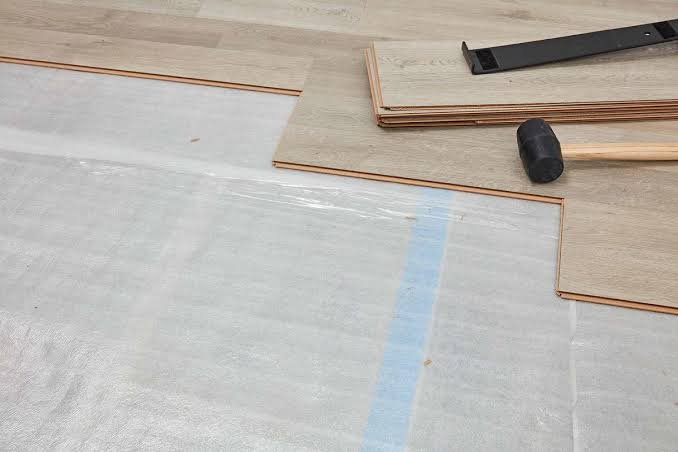
Choosing attractive vinyl flooring is only one part of creating a durable and comfortable floor. The material installed beneath the flooring can also influence sound, stability, moisture protection, and overall performance. Homeowners searching for the best underlayment for vinyl flooring in Sewell, NJ should consider their subfloor type, vinyl product, room conditions, and manufacturer requirements before making a decision. Luxe Flooring LLC provides professional vinyl flooring installation and helps homeowners choose flooring solutions suited to their properties and everyday needs. The company serves Sewell and surrounding New Jersey communities.
Why Vinyl Flooring Underlayment Matters
Underlayment is a thin layer installed between the subfloor and finished flooring. Depending on the flooring system, it can create a smoother installation surface, reduce sound, provide additional comfort, and offer moisture protection.
However, not every vinyl flooring product needs separate underlayment. Some modern luxury vinyl plank products already include an attached backing. Installing additional material underneath these products may affect how the locking system performs.
The best vinyl flooring underlayment in Sewell, NJ should therefore be selected according to the flooring manufacturer’s specifications instead of simply choosing the thickest available option.
Types of Vinyl Flooring Underlayment
Several underlayment materials are commonly used beneath vinyl flooring. Each type offers different advantages depending on the installation environment.
Foam underlayment is lightweight and can provide basic sound reduction and added comfort. Cork is sometimes selected for sound control and thermal benefits. Felt underlayment may provide cushioning and noise reduction for suitable flooring systems.
Some underlayments also include moisture barriers designed for installations over concrete or in areas where moisture may be a concern.
Professional installers can evaluate the flooring product and subfloor before recommending an appropriate underlayment for luxury vinyl plank flooring in Sewell, NJ.
Underlayment for Concrete Subfloors
Concrete is common in many flooring projects and requires careful preparation before vinyl installation. Even when concrete looks smooth, moisture can sometimes move through the slab and affect certain flooring systems.
For compatible products, a moisture-resistant underlayment or vapor barrier may be recommended between the concrete and vinyl flooring.
Before installation, the concrete should also be inspected for cracks, uneven areas, debris, and other imperfections. Proper subfloor preparation for vinyl flooring in Sewell, NJ creates a stronger foundation for the finished floor.
Choosing an underlayment should always take the flooring manufacturer’s moisture and installation requirements into account.
Underlayment for Wood Subfloors
Wood subfloors have different requirements than concrete. Plywood and other wood-based subfloors should be secure, dry, clean, and relatively smooth before vinyl flooring is installed.
Loose panels, raised fasteners, damaged sections, or uneven joints can affect how the finished floor looks and feels.
Underlayment may help with minor surface irregularities and sound reduction, but it should not be used to hide serious subfloor problems.
Professional vinyl flooring installation in Deptford NJ should begin with evaluating and preparing the existing surface before the new flooring is placed.
Sound Reduction and Comfort
One reason homeowners consider underlayment is to create a quieter floor. Footsteps and movement can generate noticeable sound, especially with floating vinyl plank systems installed over hard subfloors.
A compatible acoustic underlayment can help reduce some impact noise and create a slightly softer feeling underfoot.
This can be especially useful in bedrooms, living rooms, upstairs spaces, apartments, and busy family areas.
However, excessive cushioning may cause certain click-lock flooring systems to move too much. The correct thickness and density are therefore more important than simply choosing a softer material.
Moisture Protection Beneath Vinyl Flooring
Moisture management is especially important when flooring is installed over concrete or in spaces where dampness has previously occurred.
Some vinyl flooring products are highly moisture resistant, but that does not mean moisture beneath the floor should be ignored. Moisture trapped between flooring and the subfloor can create installation and building-material problems.
A suitable moisture barrier for vinyl flooring can provide additional protection when required by the flooring manufacturer or installation conditions.
Identifying plumbing leaks, slab moisture, or other water problems before installation is also important. New flooring should not be installed over an unresolved moisture issue.
Does Luxury Vinyl Plank Need Underlayment?
The answer depends on the specific product. Many luxury vinyl plank systems include attached padding or backing, meaning separate underlayment may not be required.
Other products may permit or recommend a specific type of underlayment for sound reduction, moisture protection, or installation over certain subfloors.
Luxe Flooring LLC offers vinyl flooring services in Sewell and notes that professionally installed vinyl flooring can provide moisture resistance and durability for residential spaces.
Always review product instructions before adding extra material beneath luxury vinyl planks. Using an incompatible underlayment can interfere with flooring performance.
Preparing the Subfloor Properly
Even the best underlayment cannot correct a badly prepared subfloor. Proper preparation is essential for creating a stable, attractive vinyl flooring installation.
Before installation, professionals may check for:
- Uneven areas
- Loose subfloor panels
- Cracks or damaged sections
- Protruding fasteners
- Dirt and construction debris
- Existing moisture problems
- Surface irregularities
- Old adhesive residue
Correcting these problems before installation helps vinyl planks sit properly and reduces the possibility of movement, uneven seams, or visible imperfections.
Choosing the Best Underlayment
There is no single underlayment that is ideal for every vinyl flooring project. The best choice depends on the flooring type, subfloor material, installation method, moisture conditions, sound-control requirements, and manufacturer’s instructions.
Homeowners should avoid choosing underlayment based only on price or thickness.
Professional flooring installers can evaluate these factors and recommend a compatible option. Luxe Flooring LLC provides hardwood, laminate, and vinyl flooring installation in Sewell, NJ, giving homeowners multiple flooring solutions for remodeling and interior improvement projects.
Best Underlayment for Vinyl Flooring in Sewell, NJ
Selecting the best underlayment for vinyl flooring in Sewell, NJ starts with understanding the flooring product and the condition of the existing subfloor. Foam, cork, felt, acoustic products, and moisture-barrier options may all work in certain situations, but compatibility should always come first.
Luxe Flooring LLC helps homeowners install vinyl flooring designed for durability, style, and everyday performance. Proper subfloor preparation and the right underlayment can create a more stable foundation for your new flooring and support better long-term results.
Conclusion
Underlayment plays an important role in many vinyl flooring installations, but choosing the correct product requires more than selecting additional cushioning. Subfloor type, moisture conditions, flooring construction, sound requirements, and manufacturer specifications should all influence the decision.
For homeowners searching for the best underlayment for vinyl flooring in Sewell, NJ, professional installation can help eliminate uncertainty. Luxe Flooring LLC provides vinyl flooring solutions for Sewell homeowners and can help ensure each flooring system is properly prepared and installed for dependable everyday performance.
FAQs
What is the best underlayment for vinyl plank flooring?
The best option depends on the vinyl product and subfloor. Foam, cork, felt, acoustic, and moisture-resistant underlayments may be appropriate for different installation conditions.
Does all vinyl flooring require underlayment?
No. Some vinyl flooring includes attached backing and may not require additional underlayment. Always check the manufacturer’s installation requirements before adding another layer.
Do I need a moisture barrier under vinyl flooring?
A moisture barrier may be recommended for certain installations, particularly over concrete. The flooring specifications and moisture conditions of the subfloor should determine whether one is needed.
Can thick underlayment make vinyl flooring more comfortable?
Some underlayment can improve comfort, but thicker is not always better. Excessive cushioning may interfere with certain floating or click-lock vinyl flooring systems.
Why is subfloor preparation important for vinyl flooring?
A clean, dry, smooth, and stable subfloor helps vinyl flooring sit correctly. Proper preparation can reduce movement, uneven joints, visible imperfections, and installation problems.