
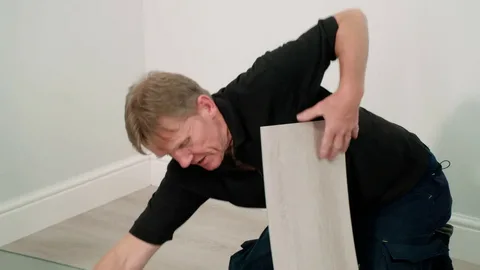
Upgrading your home floors brings a fresh look and long-lasting durability to your living space. Selecting a professional Vinyl Flooring service ensures your new surfaces are install with precision and care, minimizing future wear and tear. At Luxe Flooring, we guide homeowners through every step of the installation process to guarantee beautiful, lasting results. Proper preparation before the installation crew arrives makes the entire project run smoothly and ensures a flawless finish.
Failing to prep your rooms correctly can lead to unexpected delays, extra labor costs, and uneven surfaces that compromise the lifespan of your materials. Taking the time to clear your space, prep your subfloors, and control the indoor environment guarantees a hassle-free transition. By understanding the standard expectations of a professional layout, you can enjoy a beautifully transformed home in no time. Let us explore the essential steps to prepare your home for a seamless installation.
Clearing Your Rooms and Safeguarding Belongings
Preparing for your installation crew starts with removing all physical items from the designated work zones. This process involves clearing out all furniture, decorative items, electronics, and area rugs to provide an open workspace. Installers need completely empty rooms to lay down new planks without navigating around heavy obstructions or fragile household goods.
Do not forget to clear out low-hanging wall decorations, long window drapes, and fragile glass items that could shake loose during the installation. The constant hammering, sawing, and foot traffic can cause minor vibrations throughout your walls, placing unsecured decorations at risk of falling. Taking a few extra minutes to pack away these items protects your personal belongings and gives your installers room to work efficiently.
Managing Your Appliances and Specialized Utilities
If your project includes moisture-prone areas like kitchens, bathrooms, or laundry rooms, managing your large appliances requires early planning. Most professional crews are not license to handle complex gas lines, water hookups, or high-voltage electrical connections safely. Failing to disconnect these appliances before the team arrives can halt your project progress immediately.
You should coordinate with a licensed plumber or electrician to safely unhook your refrigerator water lines, washing machines, and gas stoves ahead of time. Once these utilities are disconnect, move the heavy appliances out of the work area entirely. Handling these specialty connections in advance keeps the project schedule on track and avoids costly, last-minute service fees from local service providers.
Understanding the Importance of Subfloor Preparation
The longevity of your new floor depends directly on the cleanliness and smoothness of the structural surface beneath it. An uneven, dirty, or damp subfloor can cause planks to shift, separate, or creak over time, ruining your beautiful new investment. Professional installers will inspect the subfloor, but you can save time by addressing basic issues beforehand.
Ensure the subfloor is free of old adhesive residues, stray carpet staples, and protruding nail heads that could puncture your new underlayment. Any minor dips or humps in the concrete or plywood should be level using a high-quality self-leveling underlayment compound. Taking the time to patch small cracks and secure loose wood panels ensures a rock-solid, completely quiet foundation for your finished floors.
Environmental Controls and Material Acclimation
Acclimating your new materials to the unique humidity and temperature of your home is a vital step that you should never skip. Vinyl planks expand and contract slightly depending on the temperature of the room they are store in. Laying down cold, unacclimated materials can cause your seams to buckle or gap once the temperature stabilizes.
You must store the boxes of vinyl flat inside the actual rooms where they will be install for at least forty-eight hours before laying them down. During this acclimation phase, keep your home’s heating, ventilation, and air conditioning system set between sixty-five and eighty degrees Fahrenheit. Maintaining a stable, comfortable indoor climate allows the planks to adjust to your home’s natural humidity level before fastening them down permanently.
Securing Professional Vinyl plank flooring in Deptford NJ
Choosing a local team that understands regional climate shifts and construction styles makes a major difference in your project’s success. Investing in professional vinyl flooring service ensures your home receives expert craftsmanship tailored to our local humidity patterns. At Luxe Flooring, we utilize advanced moisture testing and layout techniques designed to withstand Gloucester County winters and humid summers alike.
Working with a local service provider also guarantees that your project conforms to New Jersey building codes and regional municipal standards. Certified installers can identify potential moisture issues in your basement subfloor or crawl space before laying the underlayment, protecting your investment from long-term water damage. Ensuring your home is fully prepp allows our local specialists to focus on delivering a beautiful, durable finish that complements your interior design perfectly.
Common Mistakes Homeowners Make Before Installation
Many homeowners accidentally create delays by skipping simple pre-installation steps that seem minor at first. Recognizing these common slip-ups can help you avoid project setbacks and ensure your materials install perfectly.
- Leaving Baseboards Attached: Keeping baseboards or quarter-round molding attached makes it impossible for installers to leave the required expansion gap around the edges of the room.
- Neglecting Cleanliness: Leaving drywall dust, sawdust, or dirt on the subfloor prevents adhesives from bonding correctly and can cause crunchy sounds underfoot.
- Ignoring Subfloor Moisture: Failing to test concrete subfloors for moisture can cause your new vinyl planks to warp, mold, or unglue from beneath.
- Assuming the Floor is Flat: Assuming your subfloor is flat without checking with a long level can result in bouncy spots and split seams in high-traffic areas.
Best Practices for a Stress-Free Installation Day
Planning ahead for installation day helps keep your stress levels low and allows the installation crew to work as quickly and safely as possible. Following these industry-proven best practices ensures a positive experience for everyone involved:
Keep your children and pets away from the active work zone for the entire duration of the project. The work area will contain sharp tools, heavy materials, and chemical adhesives that can be hazardous to curious pets and toddlers. Keeping your loved ones behind closed doors or planning a fun day trip out of the house keeps everyone safe and lets your installers move without worry.
Additionally, establish clear access pathways for the workers to transport materials from their utility trucks to your interior rooms. Clear any toys, bikes, or lawn tools from your driveway, walkways, and entryways to prevent tripping hazards. Providing a clean, direct path for your team speeds up the carrying process and protects your landscaping and interior walls from accidental scratches. For professional advice and reliable care, Luxe Flooring is here to help you plan your upcoming renovation with ease.
Conclusion
Preparing your home for the best vinyl plank flooring in Deptford NJ is the secret to achieving beautiful, stress-free results. By taking the time to empty your rooms, prep your subfloors, and acclimate your new materials, you ensure a flawless layout that lasts for decades. Avoiding common preparation mistakes and organizing your utility disconnections keeps your project on time and within budget. When you are ready to elevate your home with durable, modern surfaces, partnering with local experts ensures your project receives the expert attention it deserves from start to finish.
FAQs
How long do vinyl planks need to acclimate before installation?
You should acclimate your vinyl flooring boxes flat inside your home for at least 48 hours prior to the installation. This acclimation process ensures the planks adjust to your home’s natural humidity and temperature, preventing future buckling or seam separation.
Do I need to remove my old baseboards before the service?
Yes, removing your baseboards or quarter-round molding is highly recommend before installing new flooring. Removing these pieces allows installers to leave a necessary expansion gap along the walls, which will be hidden once you reinstall the molding.
Can vinyl flooring be installed directly over existing tile?
Yes, vinyl can often be install over existing tile as long as the tile is flat, structurally sound, and free of cracks. If the grout lines in your tile are very deep or wide, installers may apply a patch compound to prevent the grout patterns from telegraphing through the new vinyl.
Should I clean my subfloor before the installers arrive?
Absolutely. Sweeping and vacuuming your subfloor thoroughly to remove all dust, drywall debris, staples, and paint drips is extremely helpful. A clean subfloor ensures proper underlayment alignment and prevents annoying crunching sounds under your new floor.
Do vinyl flooring planks require a moisture barrier underneath?
If you are installing vinyl over a concrete subfloor, a moisture barrier or underlayment is highly recommend to protect your floor from vapor emissions. For installations over wood subfloors, a vapor barrier is typically not require, but a standard acoustic underlayment may still be use to reduce noise.