
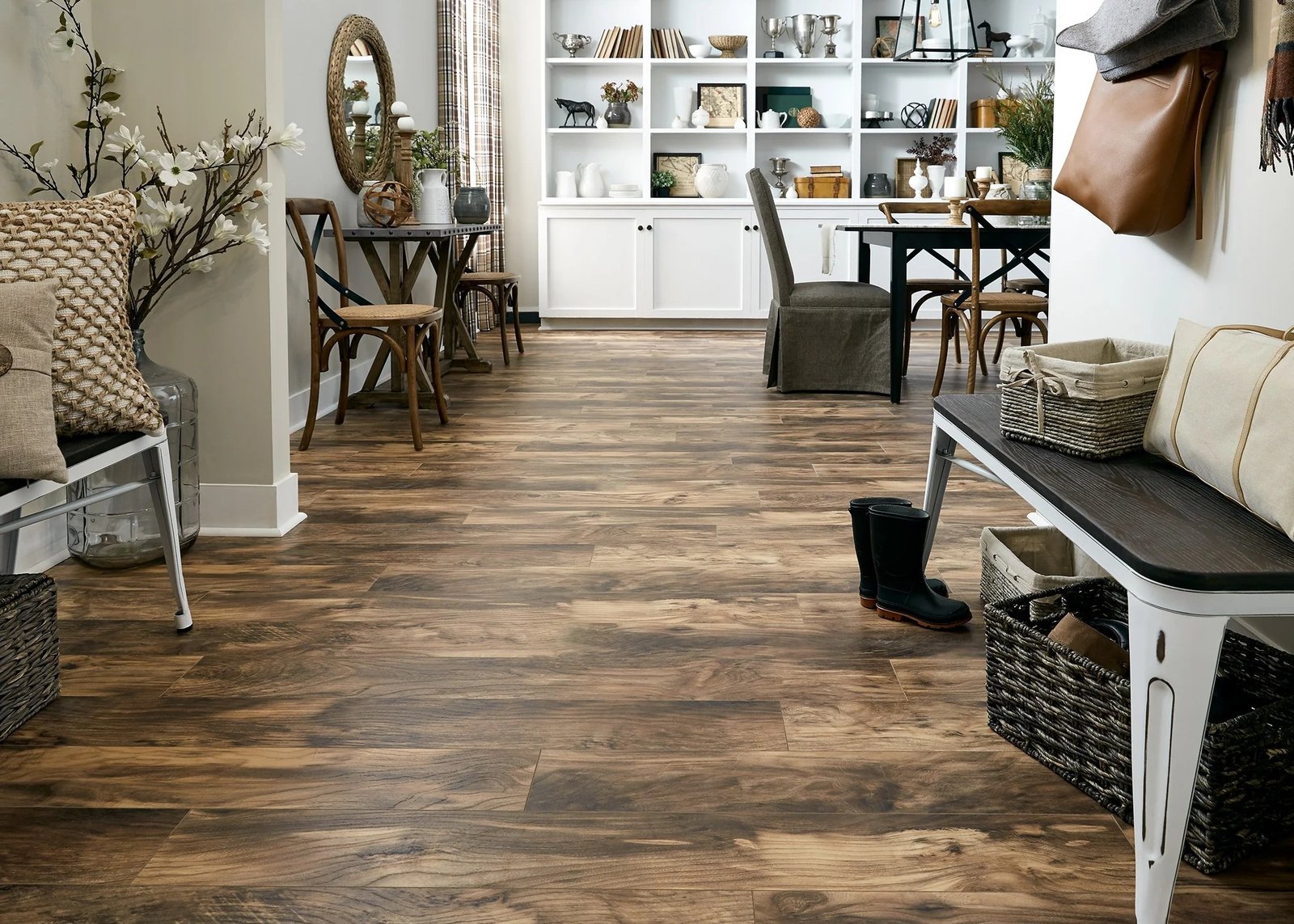
Basement flooring decisions often come down to one question: what actually performs well below ground level without constant problems? At Hardwood Flooring LLC, I’ve worked with many homeowners in Voorhees, NJ who want a clean, comfortable basement space but struggle with moisture, temperature shifts, and durability concerns. That’s where laminate flooring often enters the conversation as a realistic, information-driven choice rather than just a design preference.
This guide breaks down how laminate behaves in basements, what conditions matter most, and what you should understand before installing it in a New Jersey home.
Understanding How Laminate Flooring Behaves in Basement Environments
Basements are not like above-ground rooms. They interact directly with soil moisture, temperature fluctuations, and airflow limitations. That’s why flooring behaves differently here compared to living rooms or bedrooms.
Why moisture conditions matter more than flooring type
Basement humidity is the single biggest factor affecting flooring performance. In many Voorhees homes, moisture rises through concrete slabs due to natural groundwater and seasonal rainfall patterns.
Laminate flooring doesn’t react well to trapped moisture unless the system beneath it is properly prepared. That’s why modern installations rely heavily on vapor barriers and moisture-resistant underlayments.
What modern laminate actually offers today
Older laminate had a reputation for swelling and edge damage. But newer flooring systems use high-density fiber cores and improved locking mechanisms that significantly reduce water absorption risk.
Some modern products even include surface coatings designed to slow down water penetration long enough for cleanup. This doesn’t make them waterproof, but it does make them far more basement-friendly than older versions.
Why installation matters more than material alone
In practice, I’ve seen identical laminate products perform completely differently depending on installation quality. A properly sealed vapor barrier and leveled subfloor often matter more than the brand of flooring itself.
This is especially true in basements across New Jersey where seasonal humidity swings are common.
Basement Conditions in Voorhees NJ That Influence Flooring Choice
Before choosing Laminate Flooring for Basements in Voorhees , it’s important to understand what your basement is actually dealing with beneath the surface.
Concrete slabs and hidden moisture movement
Concrete may look solid, but it naturally absorbs and releases moisture over time. In many homes, this creates a slow upward vapor movement that affects flooring stability.
Without a moisture barrier, laminate flooring can gradually warp or develop joint separation.
Humidity swings across seasons in New Jersey
Homes in Voorhees experience noticeable seasonal shifts—humid summers and colder winters. Basements often trap that humidity longer than upper floors.
Industry flooring guidelines generally recommend keeping relative humidity in a stable range to reduce expansion and contraction risks.
Drainage and foundation integrity
One overlooked factor is exterior drainage. If water is pooling near the foundation, no flooring material will perform well long-term.
Professionals usually check for grading issues or sump pump systems before recommending any basement flooring installation.
Types of Laminate Flooring That Perform Better Below Grade
Not all laminate products are suitable for basement use. The differences usually come down to construction quality rather than appearance.
Water-resistant laminate systems and their limits
Water-resistant laminate is designed to handle spills and short-term moisture exposure. In basements, this helps with accidental water contact, but it doesn’t protect against long-term dampness.
It works best when paired with a vapor barrier system beneath it.
Thickness, density, and structural stability
Thicker laminate boards tend to perform better in basements because they resist minor subfloor imperfections and provide better acoustic control.
High-density fiberboard (HDF) cores are especially important because they reduce swelling risk when humidity fluctuates.
AC rating as a performance indicator
The AC rating system helps determine durability under foot traffic and wear. For basement spaces in residential homes, AC3 and AC4 ratings are generally the most suitable.
This ensures the flooring can handle furniture movement, foot traffic, and multi-use basement activity without surface breakdown.
What Proper Installation Looks Like in a Basement Setting
Even the best laminate flooring will fail if installation steps are skipped or rushed. Basement preparation is where long-term success is determined.
Vapor barriers as the first line of defense
A vapor barrier is a thin protective layer placed over the concrete slab to block moisture migration. In Voorhees basements, this is considered essential rather than optional.
Without it, even small amounts of ground moisture can gradually affect the flooring system.
Acclimation before installation begins
Laminate flooring needs time to adjust to the basement environment before it is installed. Typically, 48–72 hours allows the material to stabilize with local humidity and temperature.
Skipping this step can lead to buckling or plank separation later.
Underlayment selection and its dual role
Underlayment is not just for comfort—it also contributes to moisture control and sound reduction.
In basement installations, foam underlayment with vapor protection is commonly used to improve both stability and comfort underfoot.
Long-Term Performance and Maintenance Expectations
Once installed correctly, we also provide laminate flooring for kitchen can perform reliably in basement environments with basic care routines.
Day-to-day maintenance habits that matter
Simple dry cleaning using microfiber tools is usually enough. Excessive water use should always be avoided since standing moisture is still the biggest long-term risk.
Using felt pads under furniture also helps reduce surface wear over time.
Common mistakes homeowners should avoid
One of the most common issues is installing laminate over untested concrete. Another is skipping vapor barriers to reduce upfront cost, which often leads to expensive repairs later.
Improper sealing around edges is another overlooked problem that can allow moisture to enter from the sides.
Expected lifespan in real conditions
In well-prepared Voorhees basements, laminate flooring can last between 15 and 25 years depending on humidity control and installation quality.
The key factor is not just the flooring itself, but the environment it is installed in.
Choosing the Right Approach for Basement Flooring in Voorhees NJ
Every basement has its own conditions, which is why there is no universal solution. The right flooring choice depends on moisture levels, usage, and long-term expectations.
In many cases, laminate flooring becomes a practical solution when homeowners want a balance between affordability and appearance. However, its success depends heavily on proper preparation and professional installation standards.
At Hardwood Flooring LLC, the focus is always on evaluating the basement first—because the flooring choice only works when the environment supports it.
Conclusion
Laminate flooring can completely transform a basement in Voorhees, NJ when the right materials and installation of Laminate Flooring for basement methods are used. It offers a balance of affordability, durability, and visual appeal that works well for modern homes especially when moisture control is handled correctly.
With proper planning and expert installation from professionals like Hardwood Flooring LLC, homeowners can turn underused basement spaces into comfortable, long-lasting living areas that add real value to the property.
Frequently Asked Questions
Is laminate flooring suitable for all basements in Voorhees NJ?
It works well in most basements, but only if moisture levels are controlled and proper installation steps are followed.
Do I need a vapor barrier under laminate flooring?
Yes, especially in basement environments where moisture can rise through concrete slabs.
Can laminate flooring handle humidity changes?
Modern laminate handles moderate humidity, but extreme or uncontrolled moisture can still cause damage.
What is the best thickness for basement laminate flooring?
Typically 10–12 mm provides the best stability and comfort for below-grade installations.
How long does laminate flooring last in a basement?
With proper installation, it can last 15–25 years depending on environmental conditions.
What is the biggest risk when installing laminate in basements?
Moisture intrusion due to missing vapor barriers or untreated concrete slabs.